What’s in Your Belt?
Creator Series: #3 Laura Flower Kay, Groundskeeper for Sosta House
Interviewer: This ongoing series is a way to learn from creators whose practices are rooted in nature’s rhythms and analog craft, through the tools they choose to carry in their analog nature seasonal belt.
I first found my way to Sosta House two years ago through a sweet event they co-hosted with my favorite local yoga studio, Woo Woo. We slept outside on their lawn, and I woke up to kittens running around, a dog sniffing me, and the smell of an incredible meal being prepared by chef Mia. I felt so nurtured and cared for on that land. There’s a sense of fullness and love there that stays with you long after you leave. I’ve been back many times since, for Fig Fest and outdoor concerts, and every time I leave with that same full and inspired feeling.
So when I reached out about taking part in this series, I was so excited when they introduced me to their groundskeeper, Laura Flower Kay. I was very excited to go deeper with the person tending to this special land. I soon learned that she really does it all. Chopping wood, building tables, painting the house, growing and tending the garden. She’s behind the scenes caring for so much of what makes Sosta feel the way it does.
Our conversation wandered from the tools in her belt to saving seeds, learning by doing, and knowing when to step back and let nature take its course. I learned so much from Laura. Not just about what she does, but about the patience and care she brings to her every day. I hope you do too.
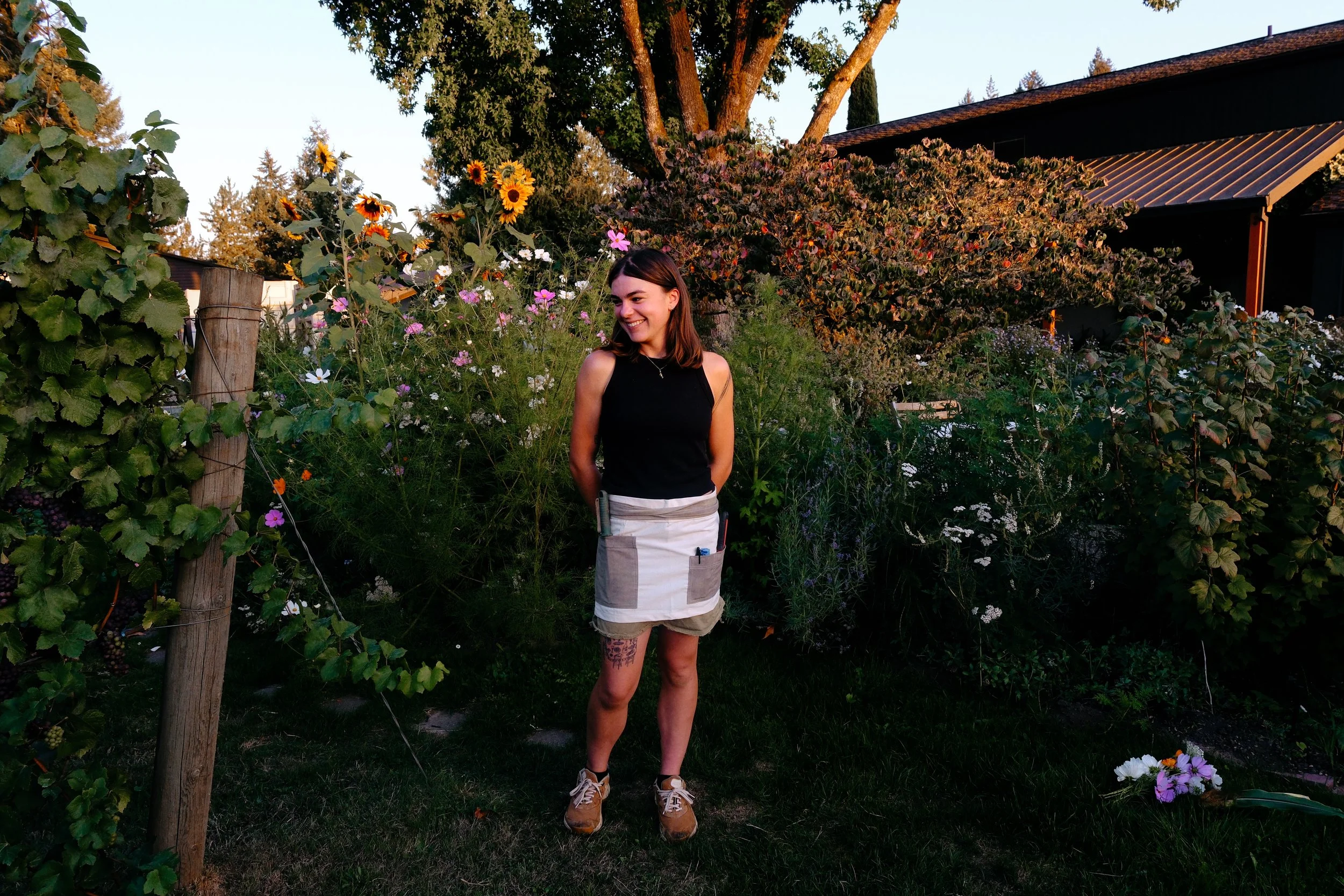
What’s in your belt?
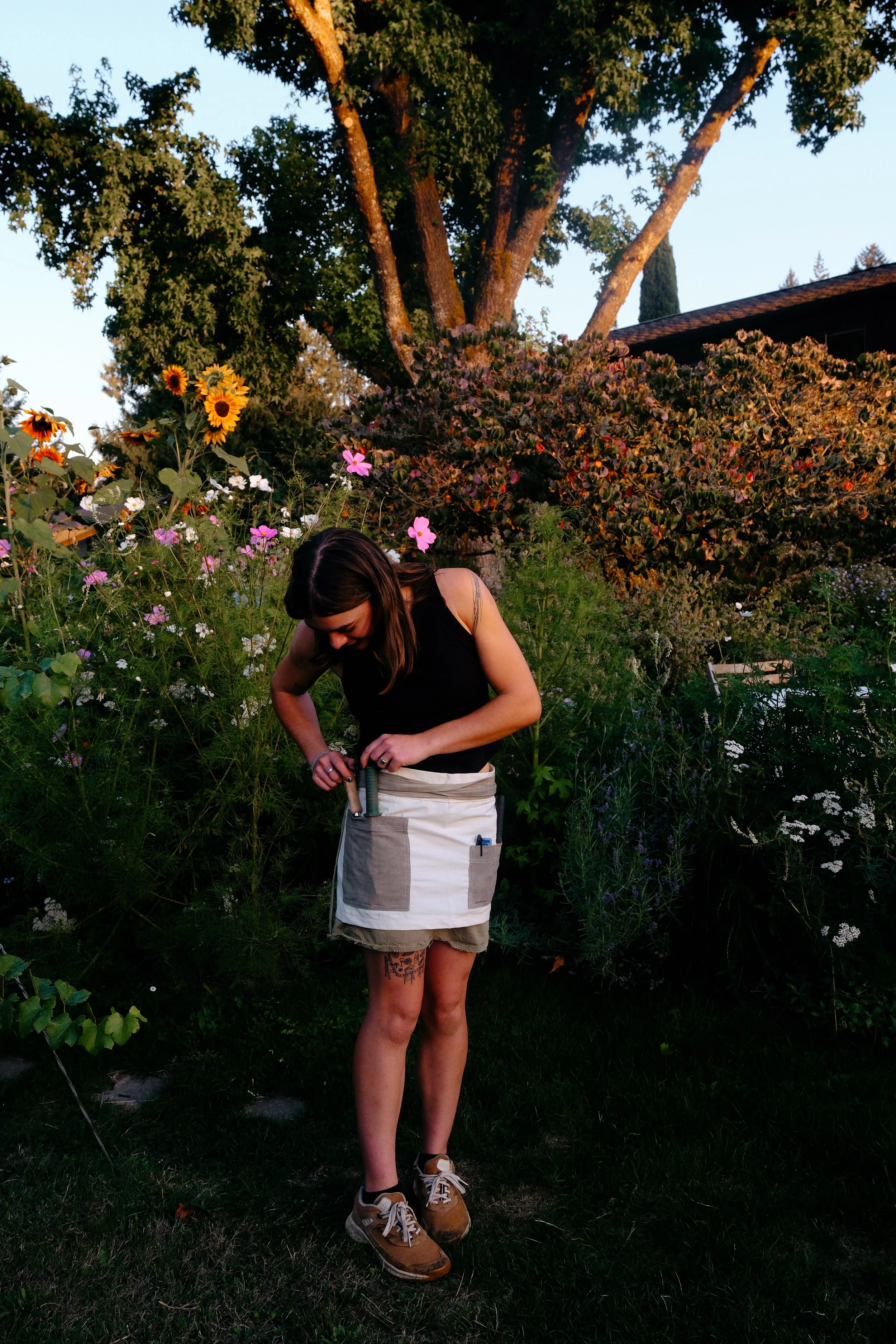
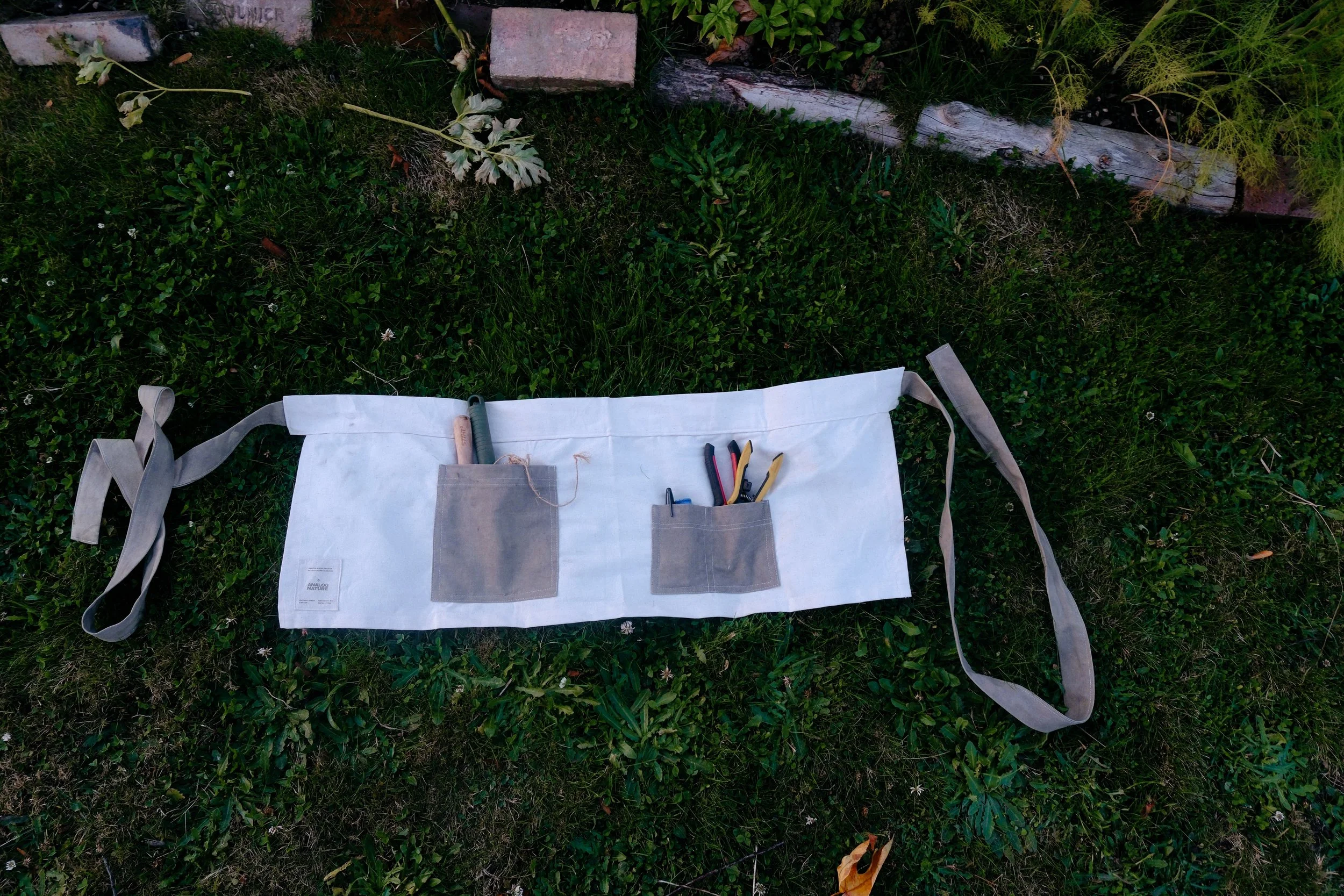
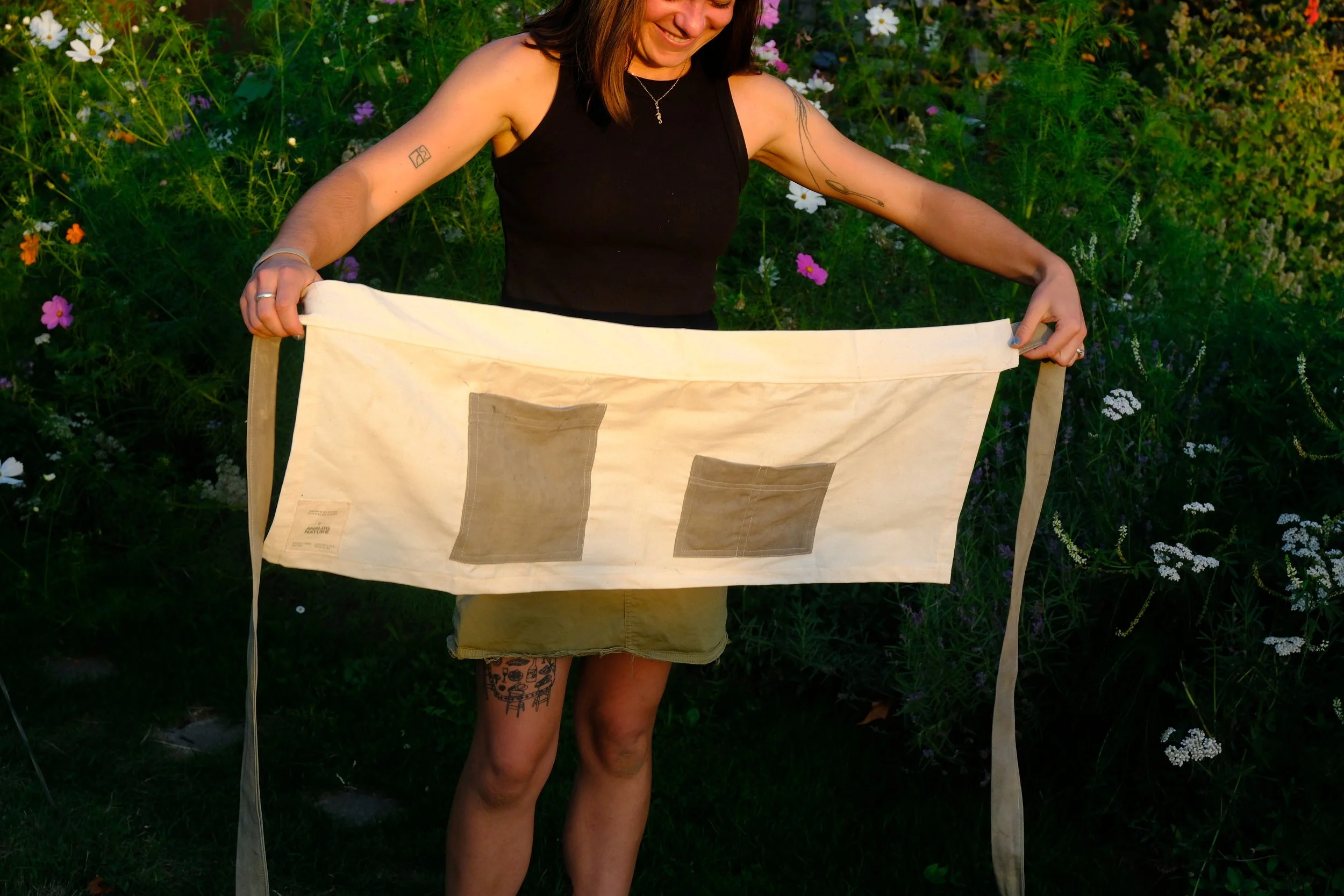
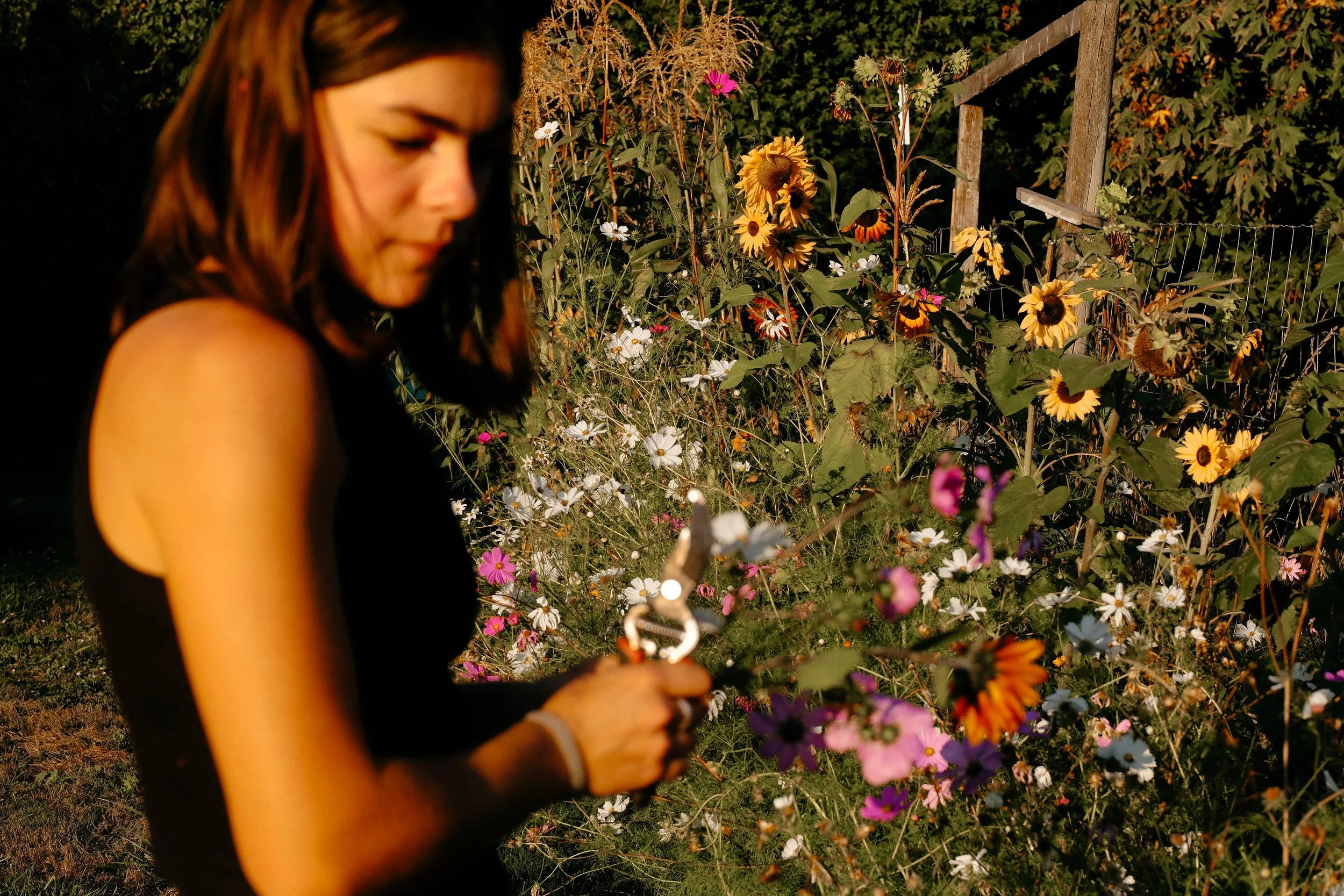
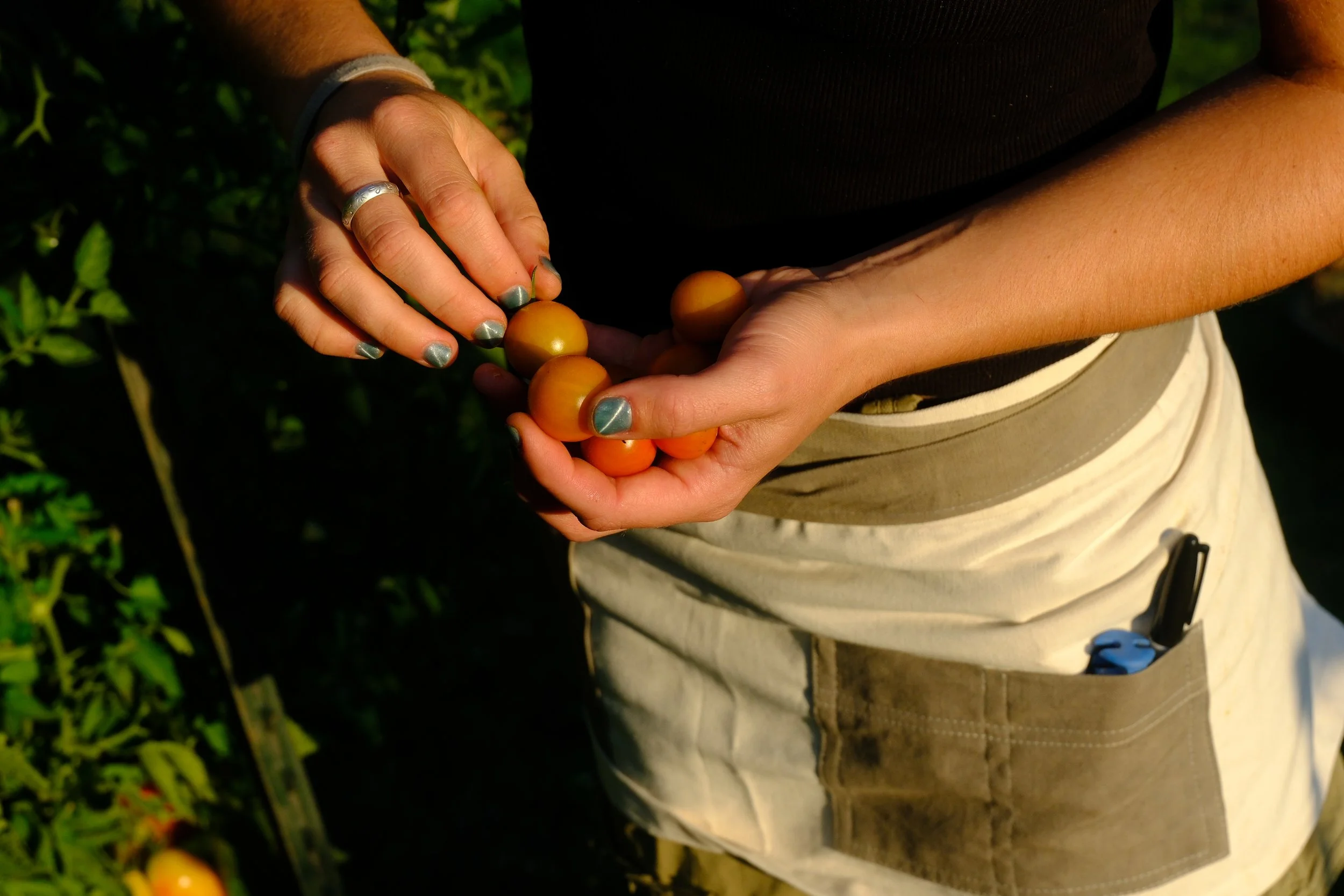
I have my pruners, deadheading snips, a sharpie, a drip irrigation punch, a sharpening file, a weeding tool and some twine!
Where are you, and what are you making right now?
We’re currently sitting in the Sosta House vegetable garden—I guess I should say the main vegetable garden. I hesitate to say I’m making anything, because the plants are making all of the delicious things that Mia puts on the table. But what I’m growing: I’ve got a lot of kohlrabi right there that’s just starting to come up. All this fennel right here has gone to seed—if you look at the parts that are brown on top, those have become the new seed pods. Mia is constantly trying to find new ways to use the same plant, which is really exciting and makes my job a lot more interesting.
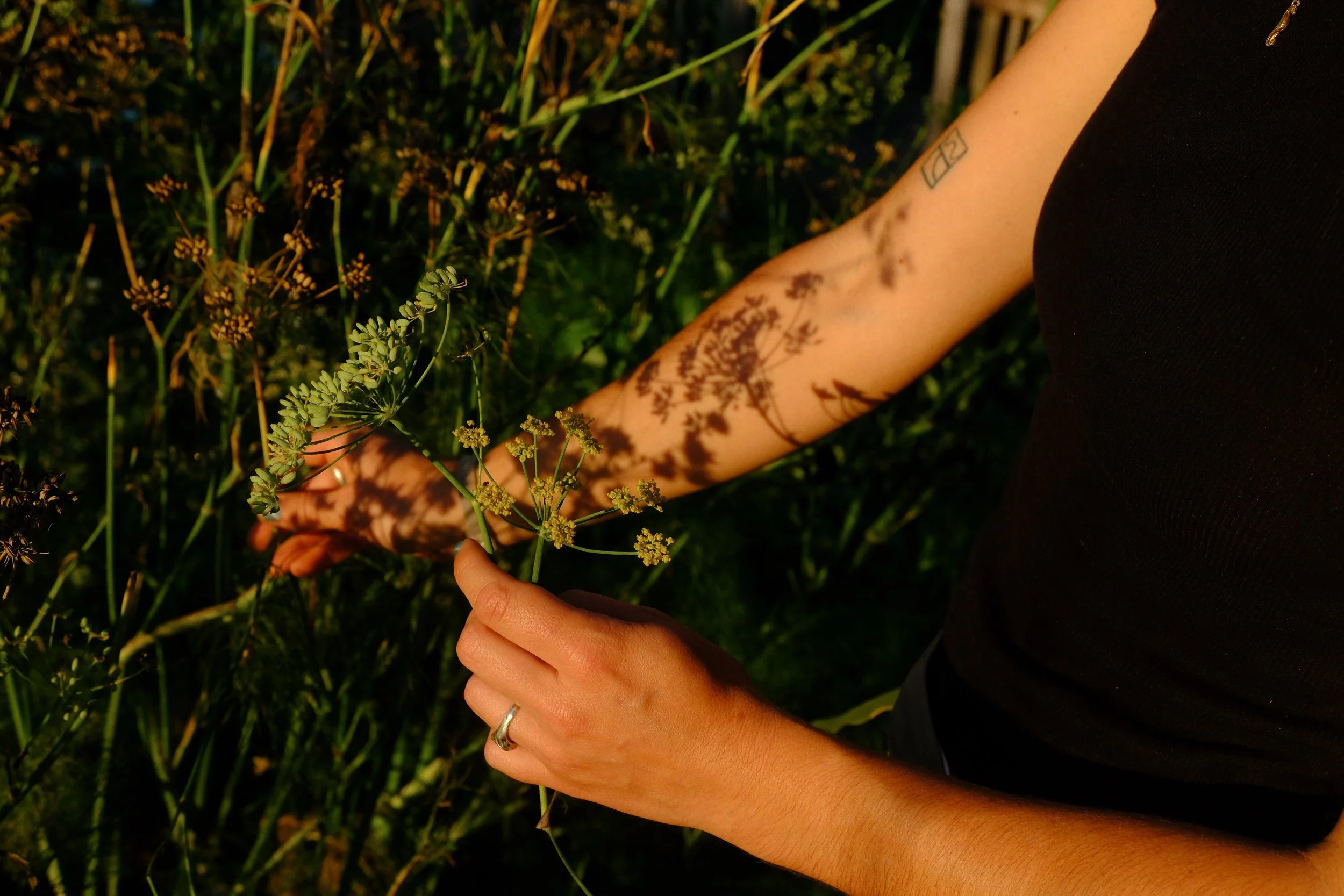
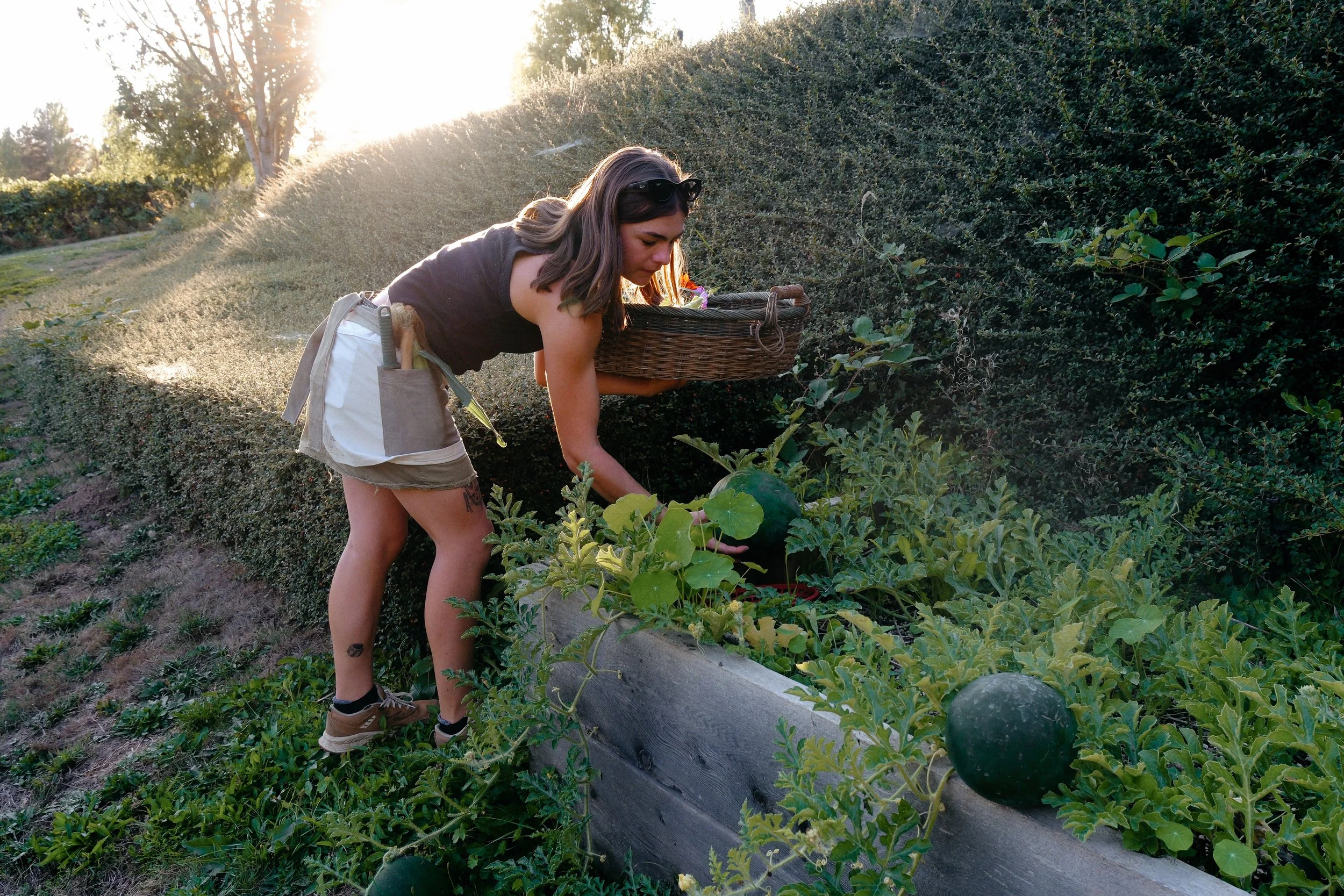
I’ve got a bunch of celery that’s so delicious—it’s so salty and tasty. We’re doing a lot of winter kale. It’s the end of melon season, and down there I’ve got some really nice cantaloupes. There’s so much it’s hard to go plant by plant. It’s such a vibrant space, and the soil here is really nice. It has just been really providing us with so much. It’s kind of incredible.
Last year was the first year I was fully in charge of the garden, and seeing what I’ve been able to grow this year in comparison to last year, the overall volume of the produce has increased so much. That’s really exciting, especially because we do a lot of harvest lunches for vineyard teams. Being able to fill those with stuff we’re growing on the property feels really nice. It’s nice to give people things that you trust.
What brought you to being the groundskeeper for Sosta?
My fiancé and I moved here after a short stint in California, which was in between our move from New York to Portland. She and my fiancé have been working in kitchens together since they were still in college, like 8 years now, which is awesome.
I started coming here to help Nico with some extra projects during that same transition season from summer into fall, which is a lot of maintenance, a lot of weeding, and a lot of tearing up beds. I had a really good time doing it. I wasn’t even getting paid at first—I was just coming here to essentially volunteer, because I’ve always been interested in gardening and any sort of outside work. Nico is such an amazing teacher that I thought it was a really cool opportunity.
After I’d been doing that for maybe a month or so, he texted me and essentially said, “I was about to post this job online, and then I realized you’ve kind of been doing it for the past month. So do you just want the job?” I immediately said yes, because I’d been looking for a job and this was the most perfect thing I could imagine. When people ask me what I do for work, I feel really lucky to have such a cool job—something that’s always changing. The role has grown so much in the past 2 years since I started, and it’s taken on so many new responsibilities.
I’d say 75 to 80% of my job is outside—managing the vegetable garden, managing the native plant garden in the front, tending to the grounds and any of the plant life around here.
The other 20 to 25% of my job is more of the maintenance stuff inside—you know, fixing clogged sinks. In the wintertime, I’ll repaint the whole house. If a piece of the siding falls off the building, I’m up on the roof attaching it again. Last winter, we completely gutted one of the guest rooms, tore out the carpet, and I was cutting fir flooring, staining it all by hand and nailing it down. So there are a lot of big construction projects, too. Those are a little more rare, and when they do happen they definitely take up a lot of time. But it’s mostly outside.
What is a ritual or repeated act that keeps you close to the work?
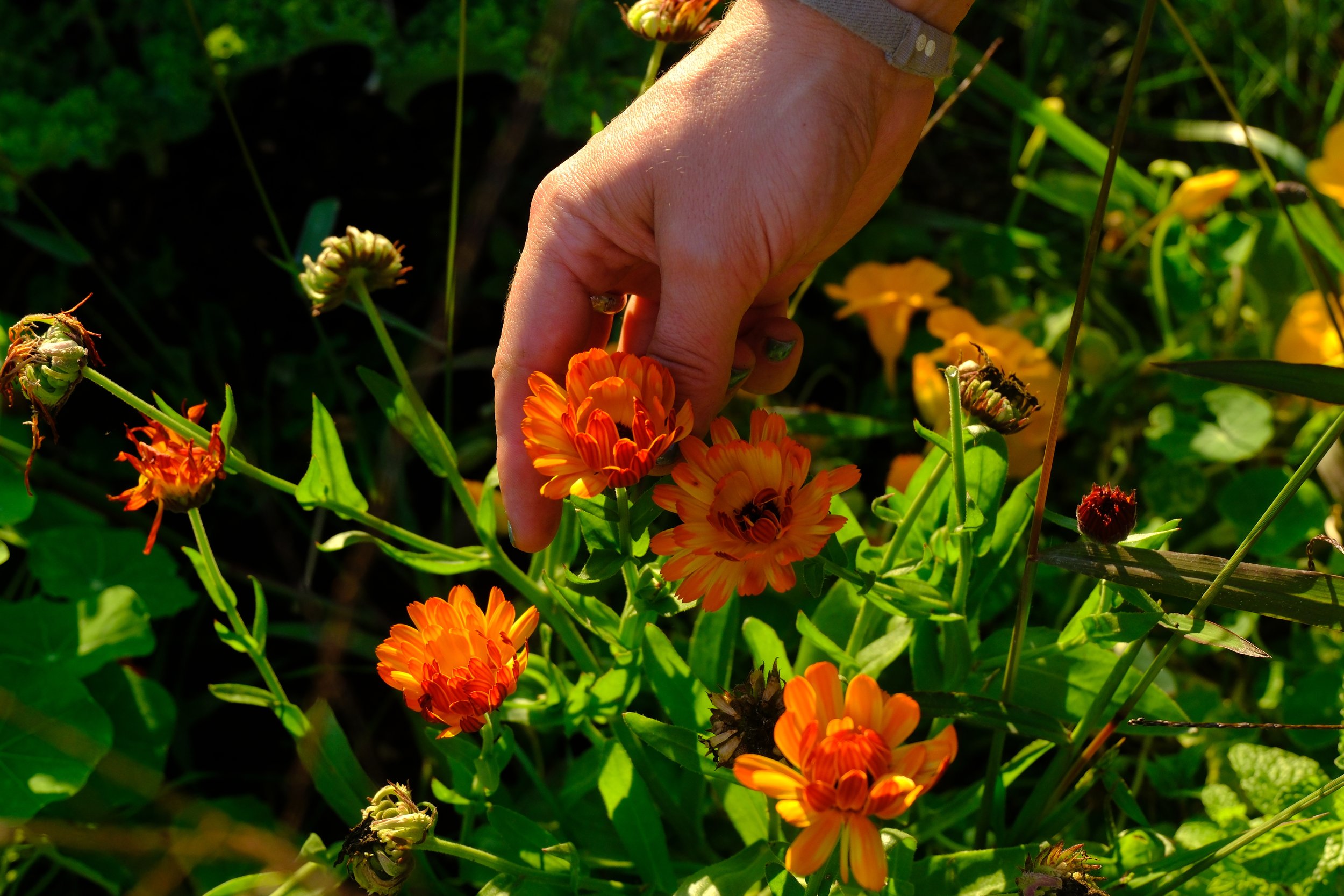
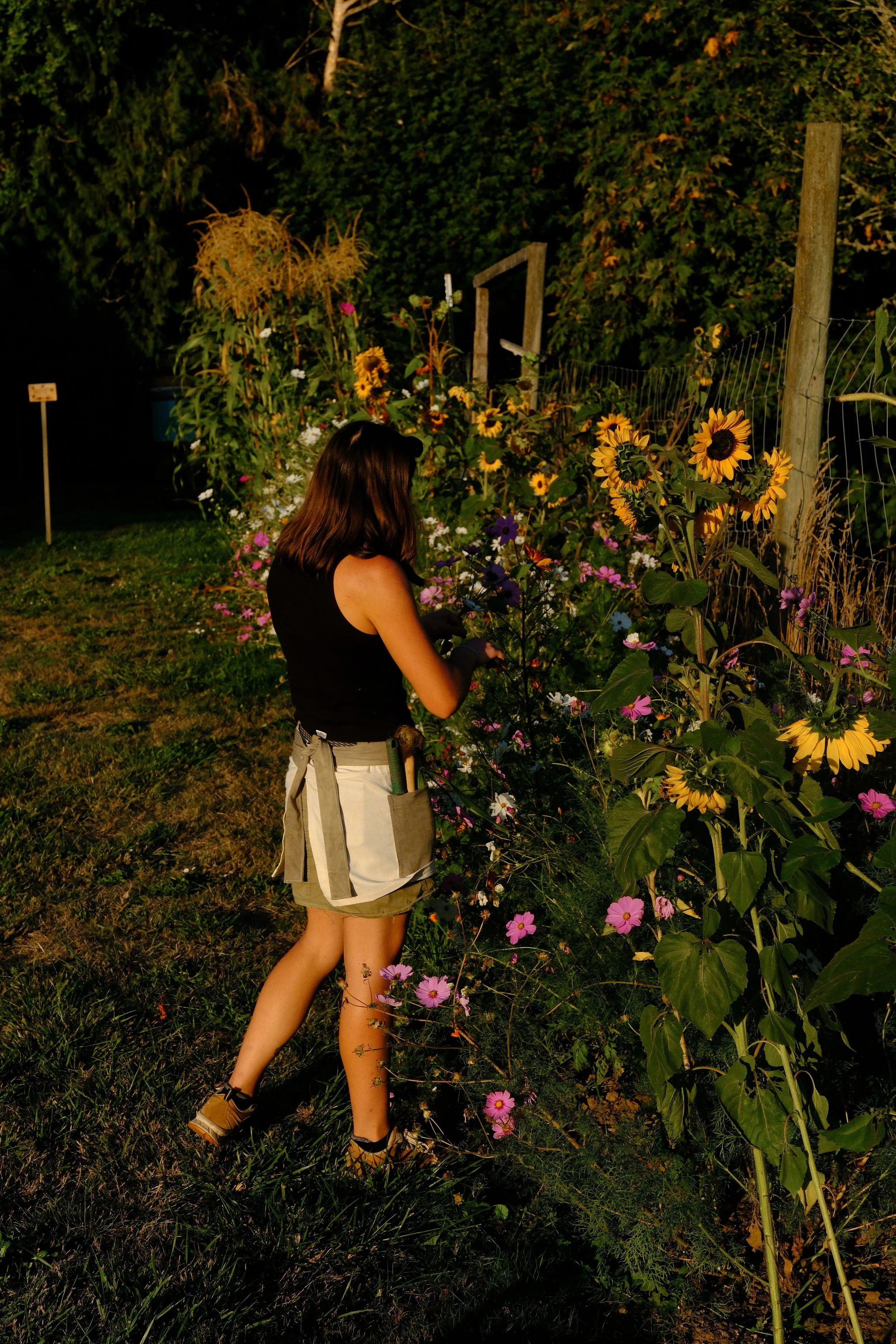
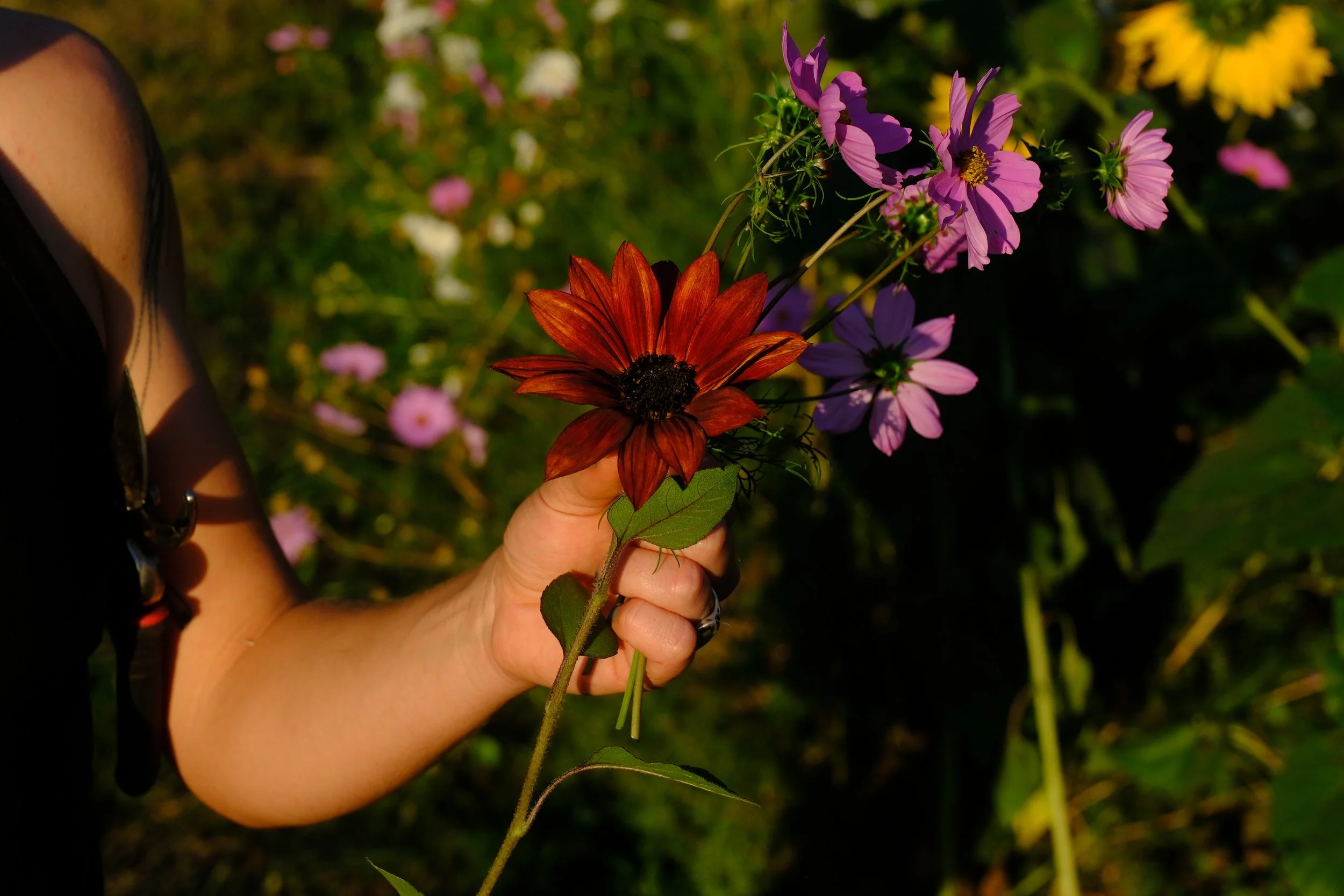
Deadheading the flowers. We grow a lot of calendula here—it grows like crazy and it’s one of my favorite flowers—but it needs constant maintenance, or it will just turn into a brown, sticky mess. Every day, I go around specifically to the calendula, and also to some of the cosmos and other flowers, and clip them in exactly the right place, right above where a new bud is growing. They’re all over the property, so it’s also a really good way for me to make sure I’m hitting every spot, because it’s such a big space. It’s really nice—you’re down on your hands and knees, really sticking your face into the plants to make sure you’re getting everything.
That and weeding are my daily things—always, constantly. Oregon has such mild winters that a lot of stuff can keep growing pretty deep into the winter. The only time I’m not weeding every day is really January and February, which is when we’re closed anyway. The flower maintenance—making sure the flowers have space to keep growing—is my favorite ritual.
Walk us through your creative process and rhythm.
My rhythm—like I said, with ADHD—is chaotic, lots of ups and downs. We do so many different things on this property, whether it’s a really slow morning with just a couple of guests, or hosting a concert with like 200 people here. My rhythm is very much shaped by what events we have going on at the property.
Tomorrow, for example, is our last concert of the season, and I will be here for 12 hours. On days like that, there’s less creativity and more “it’s time to do the work”—and less gardening, too. Those are days of heavy lifting, moving furniture around, getting spaces set up. Everything I do is dictated by what the event needs.
But then there are days that are super relaxing, like today. We just came off a couple days of being closed, and I was able to show up this morning, do a full walk around the property, and really look at what needed attention. On those days, the rhythm is a lot calmer, and I can give each plant the nurturing it needs, which feels really nice. As far as creativity goes, a lot of it honestly comes on the maintenance side—that 20% where I’m working inside. I’ve recently gotten into building some small furniture pieces for Sosta House, like really pretty tables for potting and gardening. If Mia has something she wants done in a particular way, like she was asking for a potting table, being able to come up with a cool design for that is really exciting. I felt pretty creative when we redid all of the stuff in the loft, too—having to problem-solve in that way is really fun for me.
When I’m gardening, the creativity feels a little less mine, only because I feel like I can’t take credit for what the plants are doing. I can choose where I want to lay things out, or how I’m doing the flowers on the deck. But I’ve always struggled with thinking I wasn’t a creative person. I was really bad in art class—I can’t draw to save my life—and I’ve spent most of my life telling people I don’t think I’m very creative.
“This job challenges me to recognize that there is creativity in everything. It manifests very differently in gardening, because you just kind of choose where to plant your seed and then you get to watch it grow. It doesn’t always turn out how you were anticipating, which I guess is true of a lot of different art forms.”
But it gives me a lot of freedom to try new things. So the creativity is coming more from the choices I’m making than from how things look in the long run—deciding what tomatoes I want to grow, or what flowers I want to grow this year.
It’s a satisfying form of creativity, though, when you’re problem-solving. Our cold plunge and our sauna, for example—we’d been having a bunch of problems with this platform in the cold plunge. We’d had it there for years, and we were trying to figure out what to do with it, going over so many different ideas and scratching off, “Oh no, this won’t be pretty,” or “This won’t be safe for guests because we run a public space.” Finally, we found a way to make it what we wanted, which was installing a new ladder—figuring out how to do that, and what kind of ladder you need for something like that. It’s creative, but it sometimes feels a little more—what’s the word? Like a problem that needs to be solved, as opposed to creating for creation’s sake. And that’s something I’ve enjoyed about the work: there’s always a problem to be solved, so there’s always an excuse to come up with a solution. The solutions are sometimes just super crazy.
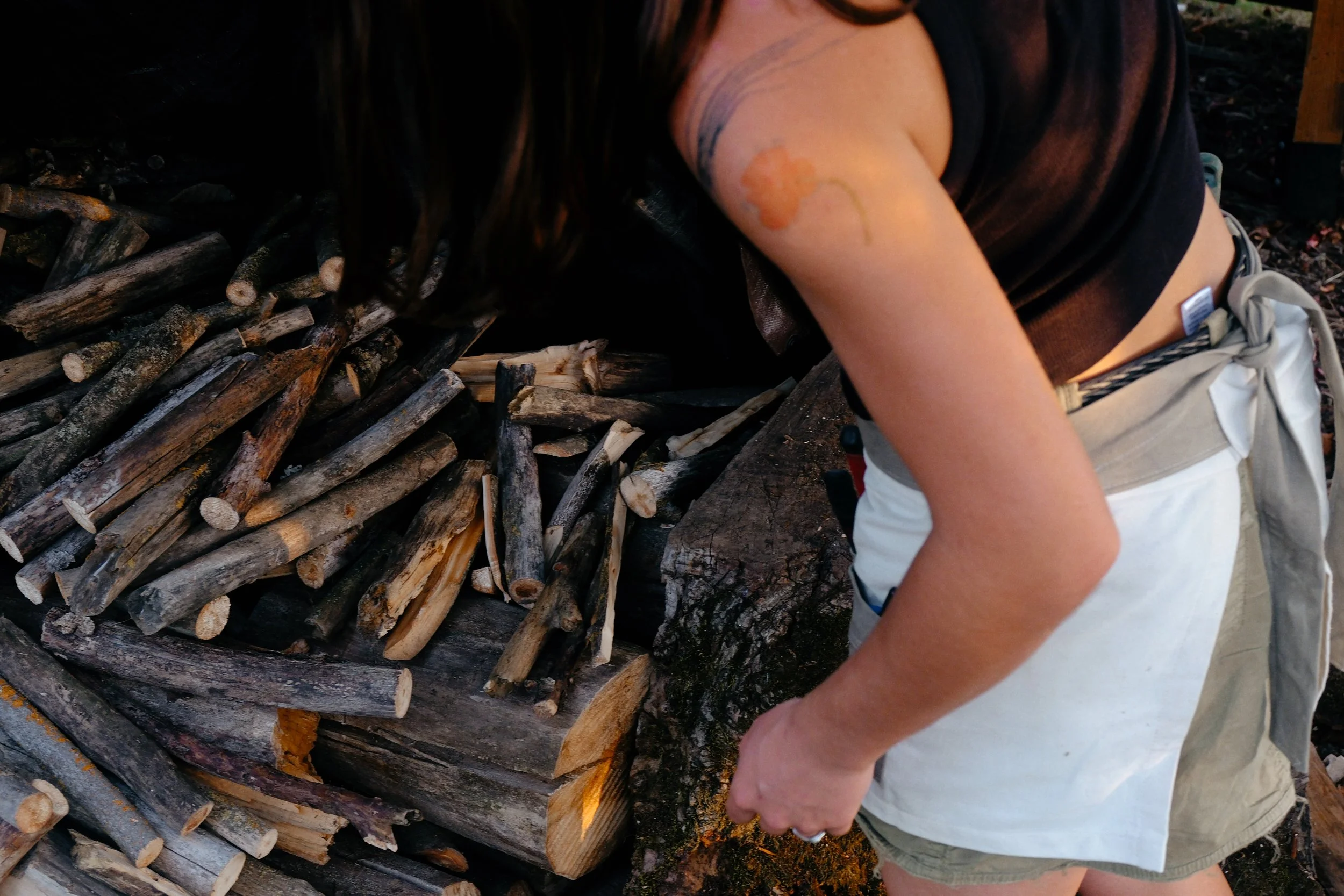
My creativity is like, “Okay, how do I chop and stack the firewood so it’s nice, and still look nice for guests?” That’s not something you’d usually think of when you’re thinking of art and creativity. But in a place like this, where everything is—nothing is perfect, but everything is beautiful—that’s the perfect environment to be doing stuff like that.
Why do you create?
Because it’s satisfying. This is the kind of job where you do a hard day’s work and then you see everything you’ve done.
“The feeling of satisfaction I get when I watch a plant grow is immeasurable. Every single time I plant a seed, my mind is blown when it grows. It’s such an amazing thing to watch, and to feel so connected to the change of seasons.”
I grew up in Southern California, where we don’t have seasons, so watching those subtle changes—seeing the first crocus bloom, or watching that first tomato flower grow into a tiny green tomato, and then slowly watching it blush and change color—is so rewarding on an intrinsic level.
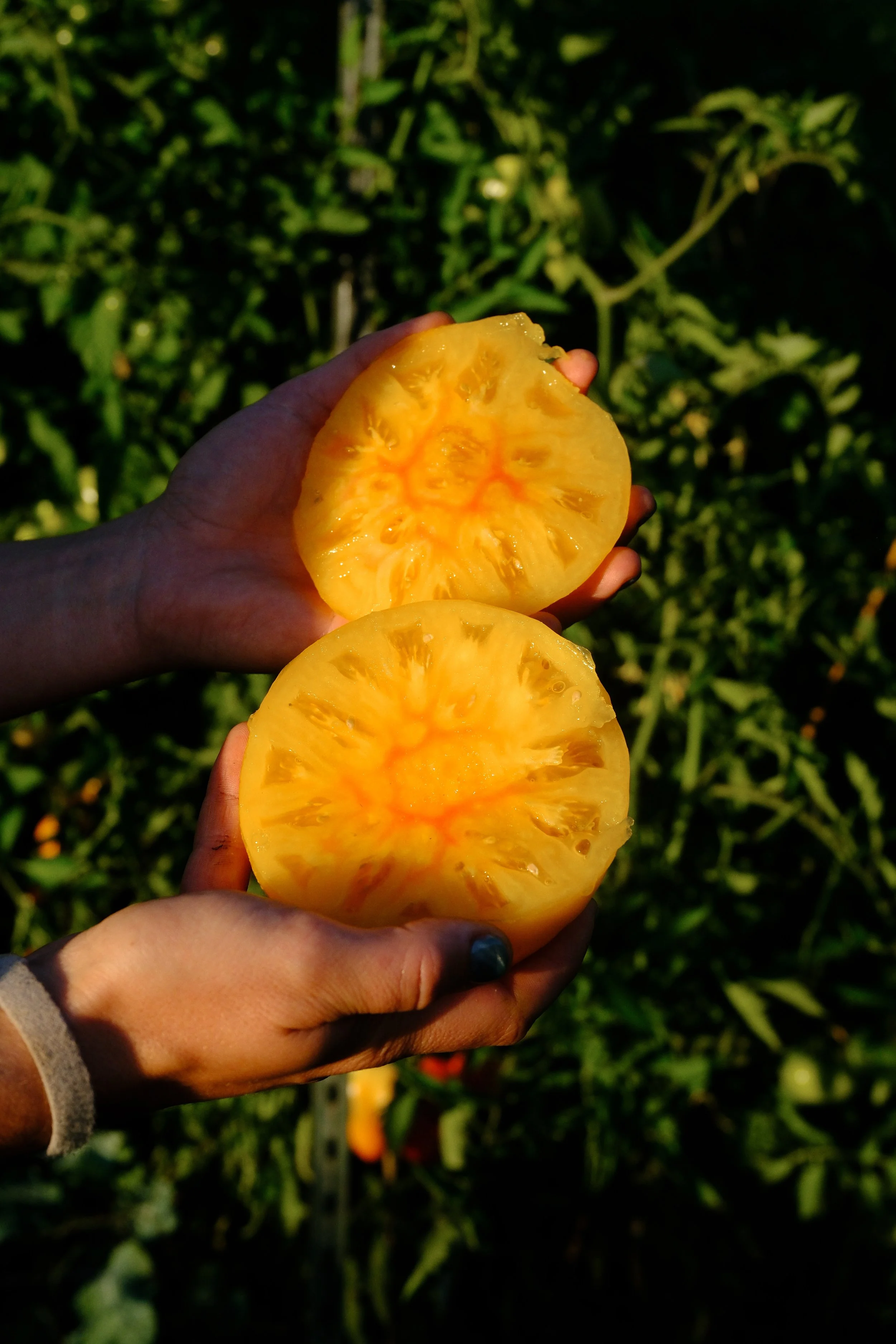
“We live in a world so based in instant gratification that working in a job where things take months, and sometimes years, is really rewarding.”
I planted a bunch of willow trees last winter, and they’ve grown so much in the space of a year, but they’re still growing—growing so slowly. To look at them now, I’m like, “Oh my god, that happened so fast.” But if you look at it every day, you’re not going to see a change. Seeing that kind of slow growth is amazing. It changes the way I perceive time in my life, and how much I appreciate things I might not have recognized before.
What are some of the most important things you’ve learned through your craft?
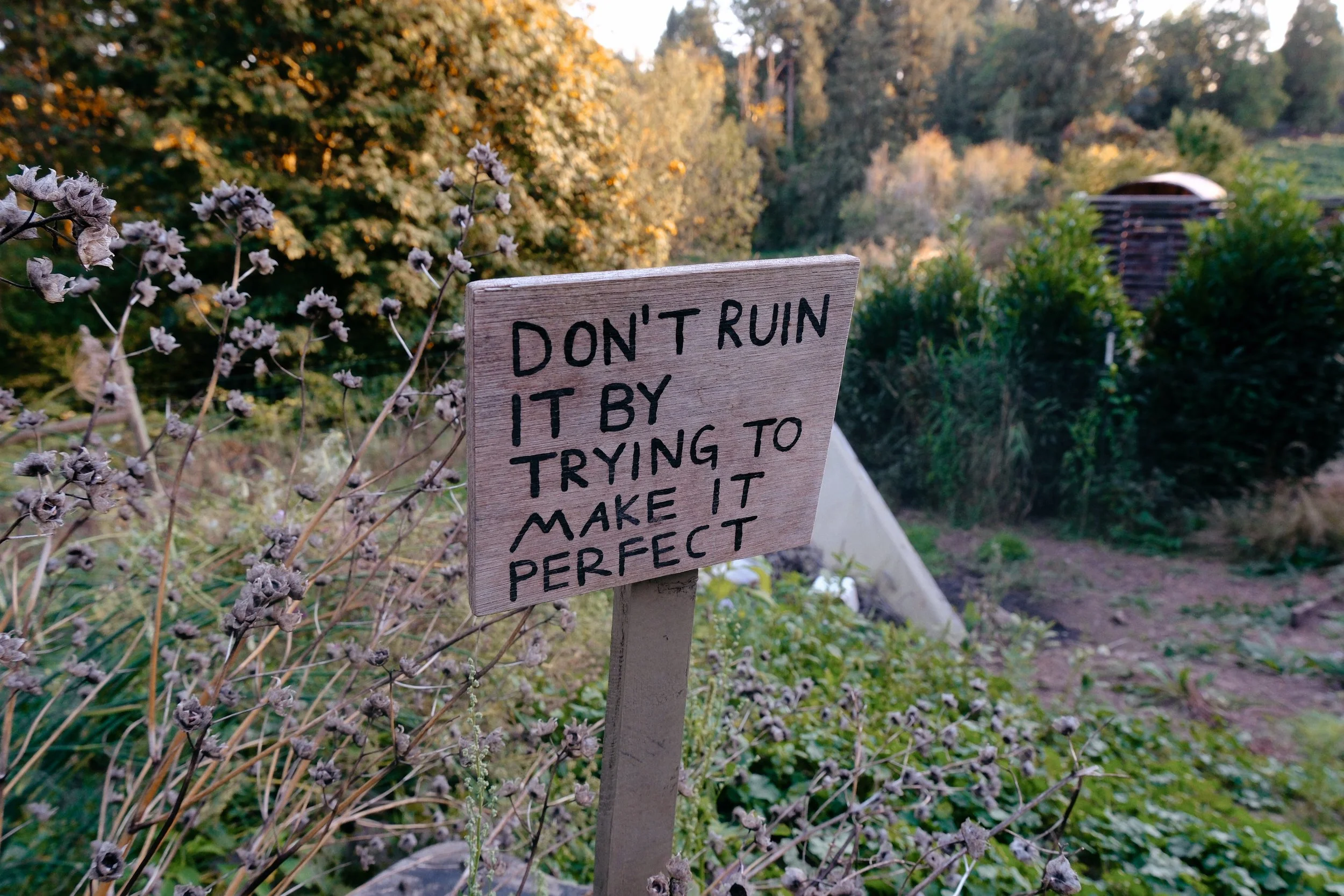
“That perfection is fake. Nothing’s perfect, and if you try to make something perfect, you’re often just going to ruin it.”
Being okay with plants being what they are is really grounding in my work—recognizing that sometimes a plant’s just not going to make it, and you can’t do anything about that except accept it and plant something else.
I’ve learned a lot of important skills, too—very basic electrical work, or irrigation. Irrigation has taken up such a huge part of my life. But in a job like mine, where I’m learning something new every day and might never do it again, so much of that learning is one-off. Very often I have to learn how to do something once because a very specific problem comes up and needs to be fixed, and then you never have to do it again. So those more philosophical approaches to how I do the job are more important—they’ve impacted my day-to-day work more.
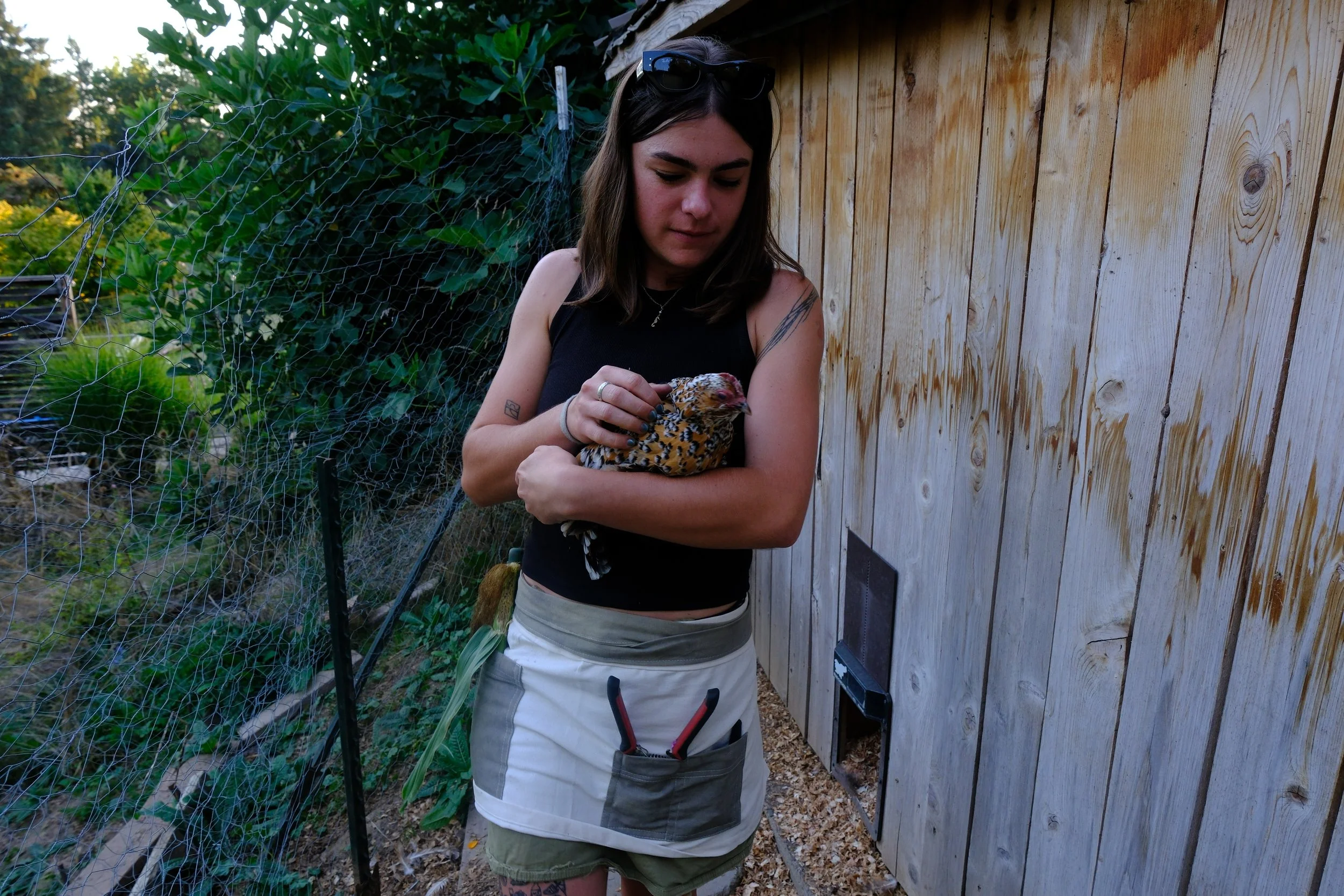
We have a sign over by the chicken coop that says, “Don’t ruin it by trying to make it perfect.” That’s probably the most important thing I’ve learned. It’s something I’ve had to let go of. Of course I want it to be perfect, but I have to let that go, because it’s nature. Nothing in nature is perfect—it’s perfect because it’s imperfect. And it makes you appreciate things when they do turn out really well.
Accept death, too. Accept that grass is going to die in the summer, and you’re not going to like when it looks patchy, but it’s going to grow back in the winter and be green in the spring. Being okay with bare patches of dirt in your garden if you have to rip something out—it’s hard to let go of that sense of perfection, especially because it’s something that’s really drilled into you, especially if you ever work in a corporate job where you dot your i’s and cross your t’s. In a job like this, you need to know when to stop, because otherwise you could just go forever.
What has been a consistent source of inspiration for you?
Mia. I love working for Mia, and I feel really lucky that she’s also one of my best friends. Being able to work with somebody who’s one of the busiest and most hardworking people I know, but who always makes time for the little things, is really awesome. I catch her out here picking flowers.
“Watching somebody who’s so invested in a project they’ve nurtured for years is really inspiring to me.”
She probably knows more about gardening than I do—she just doesn’t have the time to do it. Watching her and asking her for advice, and just everything about what she does, inspires me. I feel really special to have her as a boss and as a friend. It’s crazy to watch her work.
The history of the property is also really inspiring.
“Knowing there have been so many generations of her family that lived here and worked here, and made it into the space it is now, makes me feel really honored to be a steward of the land.”
I feel inspired to keep pushing the space to grow and add new things, while still keeping the spirit of the place as it’s been. It’s so rare in our society to have that kind of multi-generational space—to be part of something that goes back to the 1970s, or even earlier, I think late ’60s. Nothing’s that old anymore; so much is new. And while she’s obviously been taking the space and adding her own flair to it, that soul of the place is the most inspiring thing about working here.
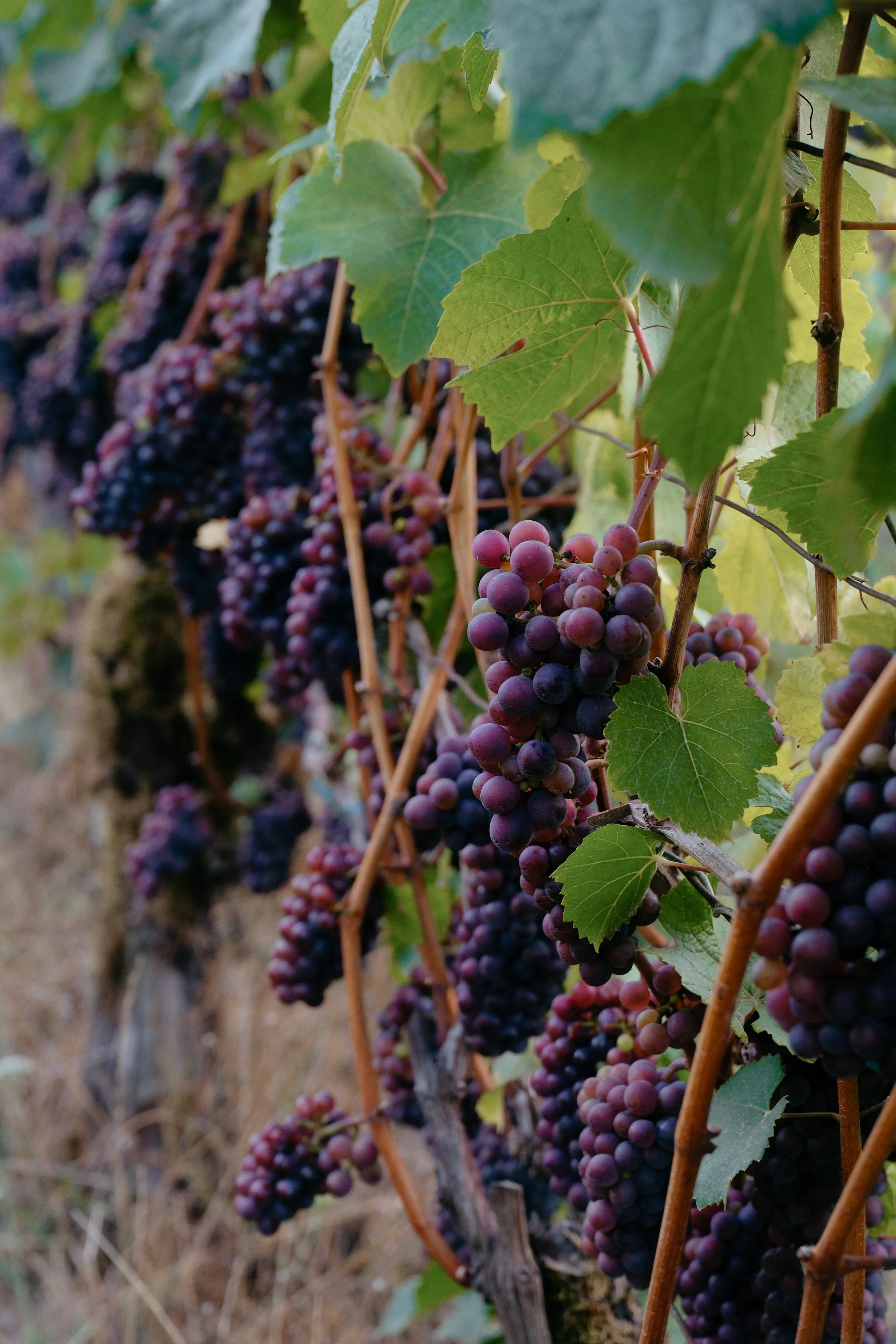
Today we were sitting for lunch on the deck, and it was Mia, then her mom and dad, and then her grandpa, who planted all these vines originally. He’s 94 and he’s the coolest guy I’ve ever met. Watching all of them interact, and feeling like I get to be part of something with such a legacy, is really cool.
Does what Mia is cooking inform what you’re planting?
Oh, definitely. We like to sit down and have a meeting in the wintertime—we close from December 1st until March 1st for a much-needed break. Usually we’ll talk about what we want to do the following year. I’ll ask Mia and Amal what they liked about last year’s harvest and what they didn’t.
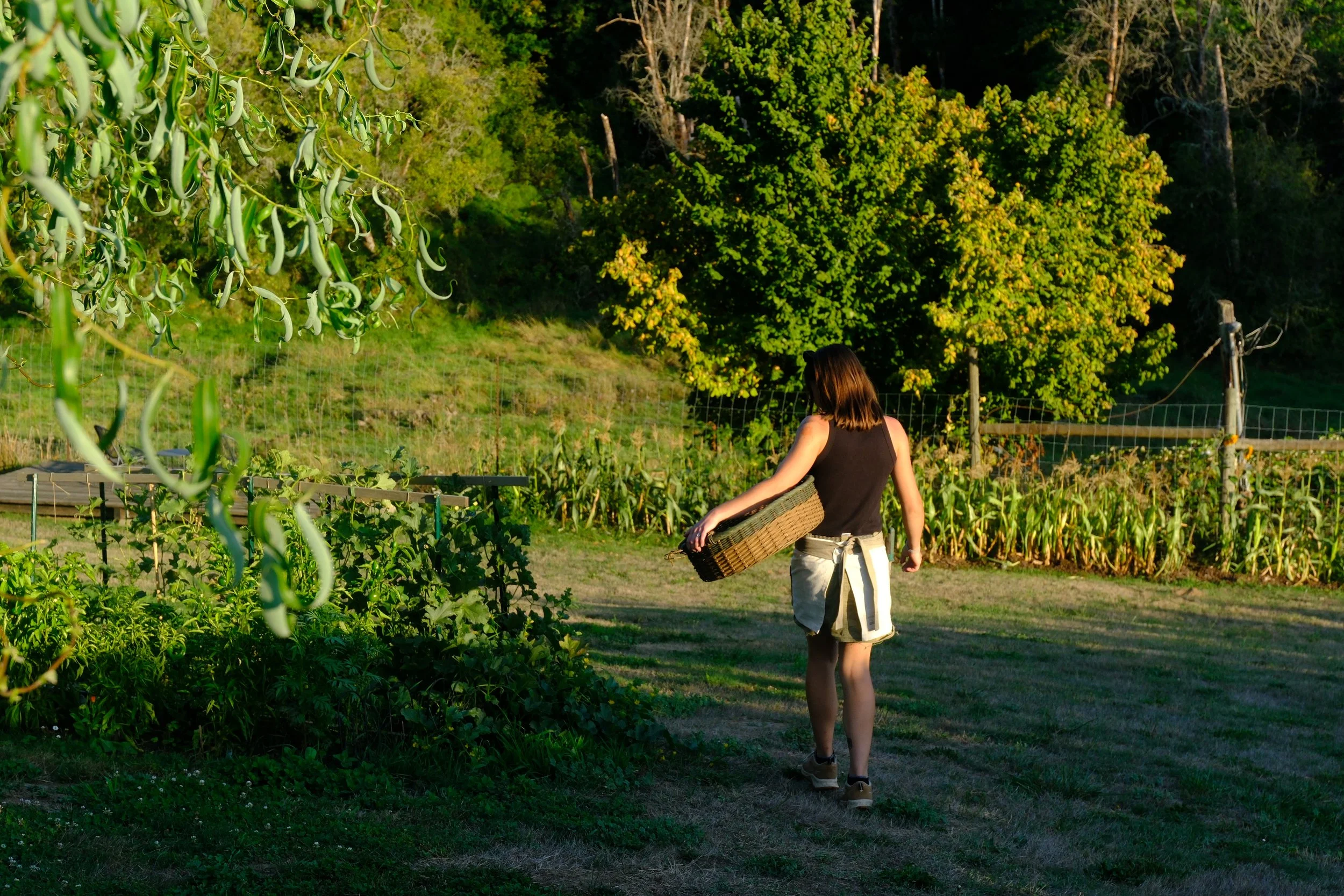
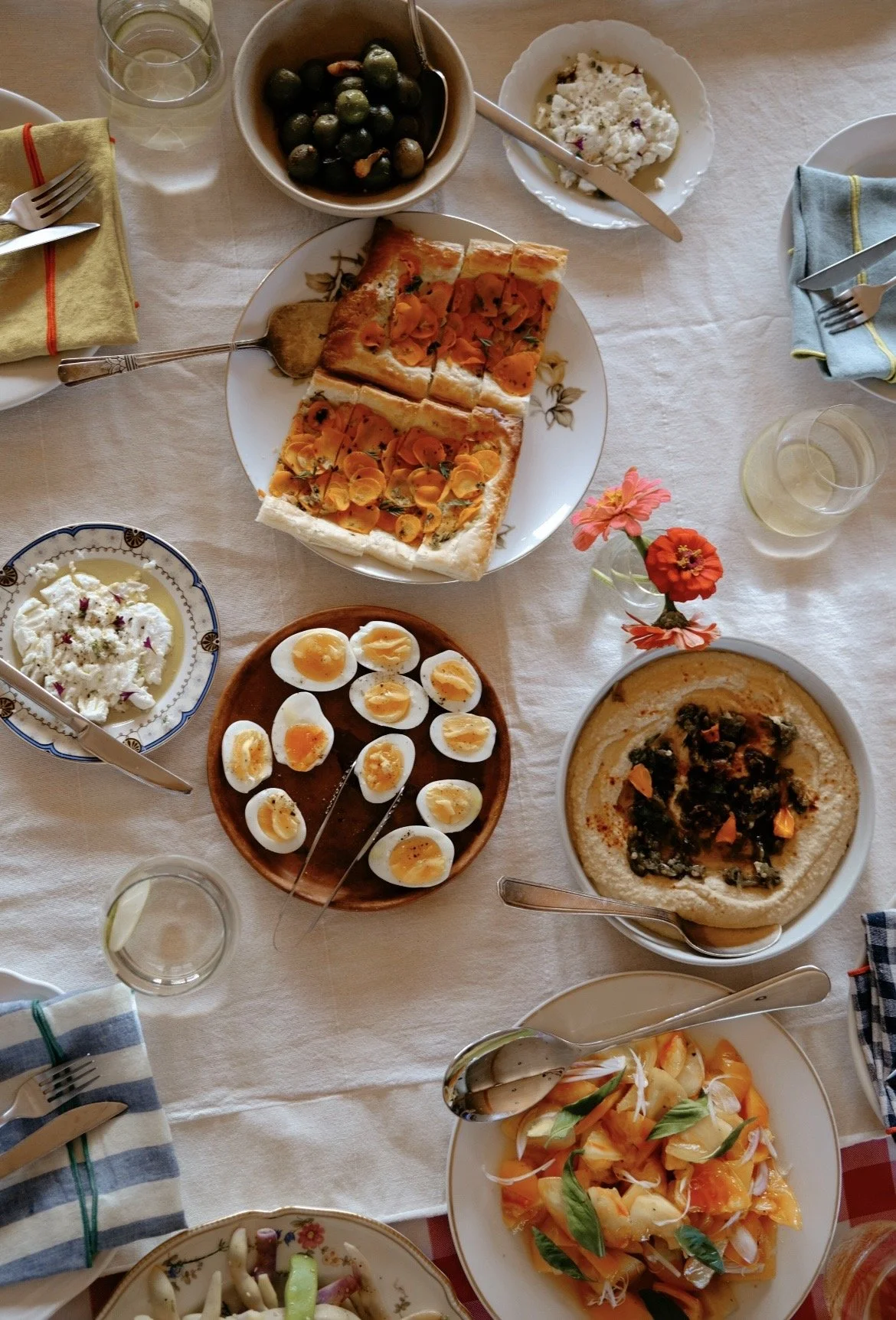
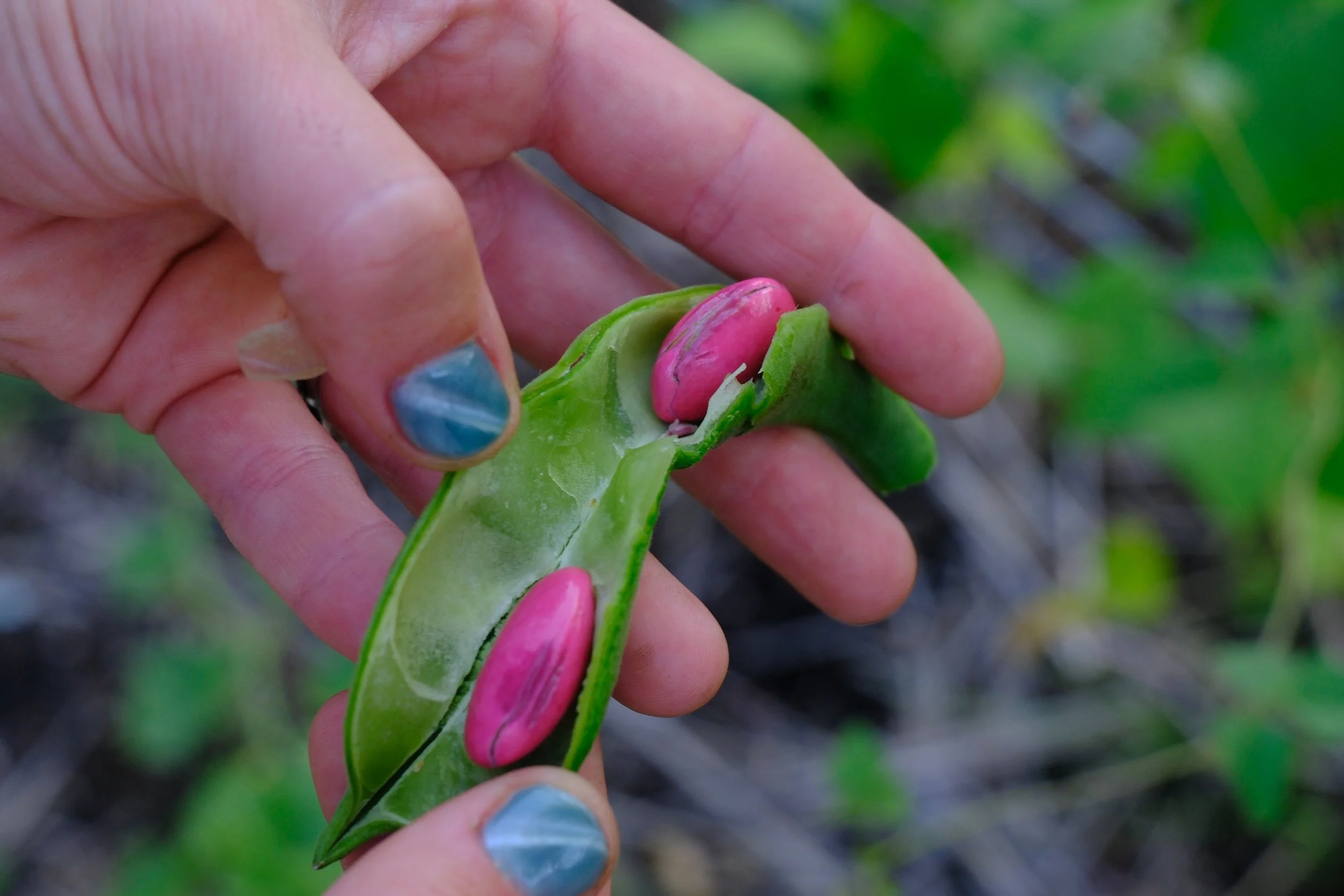
Last year was my first year fully in control of the garden, and I got so excited that I planted so many different things—like 6 different bean plants and just everything, to the point where there was a little too much variety. It was really exciting for me, and fun for Mia when she was doing small dinners for guests twice a week, because you can actually make use of having just 2 cucumbers of the same variety. But this year we focused a little more on still having interesting variety, but growing more of the things we really like. We took what we really liked from last year and scrapped what we weren’t using as much. So I only have 2 cucumber varieties this year, as opposed to the 6 I had last year, and I’m growing 2 kinds of beans. It’s trying to keep it a little more mellow.
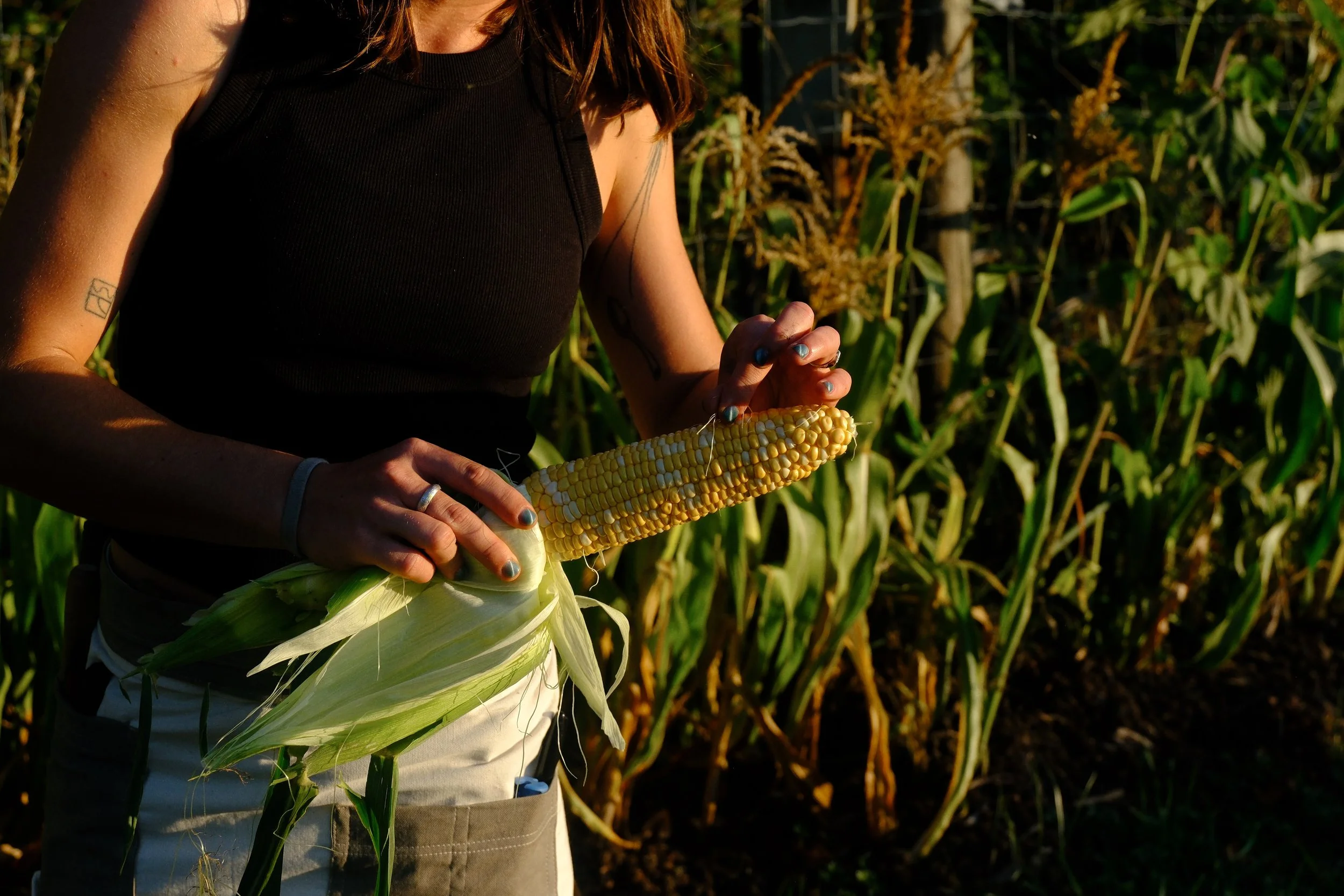
Like I said, everything I do I’m learning on the spot, and Mia lets me experiment like that—sometimes to my detriment. I planted a bunch of corn last year, not realizing I needed to space out the different varietals a little more. All of my corn cross-pollinated, and I had these—they were beautiful, but they were like 3 different corns on one cob, completely inedible. An art experiment. So this year I planted one variety of corn, a super sweet corn, and it did fantastic. It’s amazing, super delicious, and pretty and edible, so that’s really nice.
How do you go about sourcing your seeds?
Different ways. I try to save seeds as much as I can—I have a bunch of really cute little seed packets that I fill every year. For the fennel seeds, I’ll just grab them off, make sure they’re totally dry, and save them. Pretty much everything I’m growing here, except for radishes and turnips, I collect the seeds from and then plant next year.
If I want to try a new variety of something, I’ll usually buy it online. Johnny’s Seeds is a huge purveyor of seeds, and I try to buy organic if I’m buying from them. But my goal is to mostly just be saving seeds and growing from that.
A lot of it is things people hand me. Mia has a lot of friends who will give her random flower seeds, and her partner Mimi gave a bunch of really delicious arugula seeds this year. I have a lot of gardener friends who like to give me seeds, which is super fun. My friend Elena is a flower farmer who used to grow a lot more vegetables, and she gave me so many seeds she had in excess.
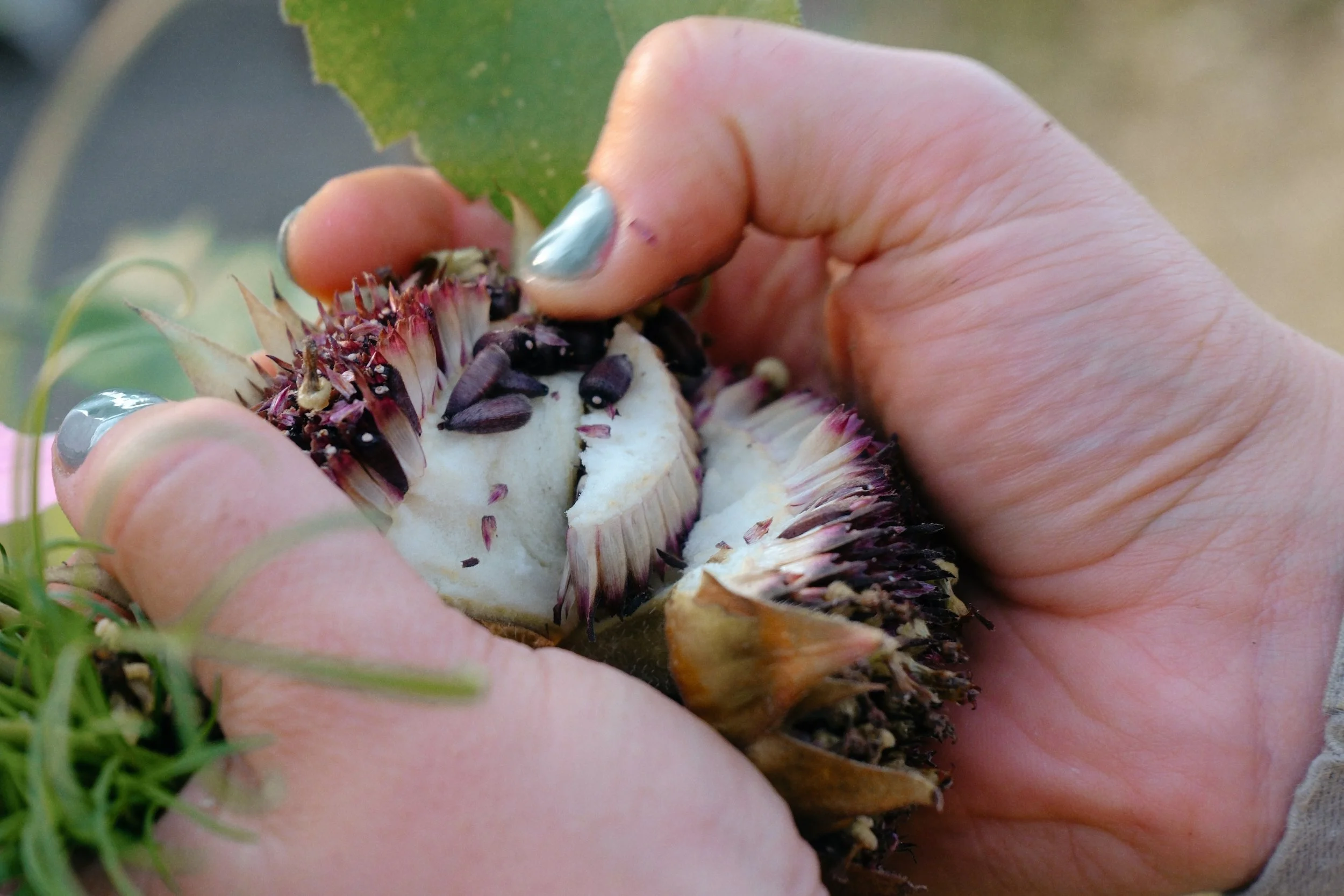
We also have a landscaper named Jose, who’s worked here for an incredibly long time. He’s like extended family to Mia and the entire Ponzi family. He has a really awesome collection of seeds that he grows—all of the corn down by the sauna is corn he planted. Most of it has been harvested now, but he’s a whiz. I don’t even know how he does it. He’s my greatest resource; if I ever have a question or need anything, he’s the one I ask.
A lot of the other plants, like the raspberry bushes and the fig tree, have obviously been here a really long time and are perennials. We have a decent amount of perennials—mostly florals, but some fruit bushes and fruit trees. We just planted some currants that I’m hoping will do well.
In what ways do you collaborate with nature as part of your creative process?
My entire creative process is collaborating with nature. Every time I plant a seed and watch it grow, I’m like, “What the heck—that’s crazy.” It’s so amazing to work with plants because there are so many kinds. I couldn’t even tell you the variety of things we’re growing on the property, including the native plant garden out in the front.
I’m also constantly fighting against nature in this job, which is a weird dichotomy. We have invasive poison hemlock growing all along the wetlands, and crazy blackberries we’re trying to control. So sometimes working with nature can feel very destructive, like pulling things up by the roots and trying to get rid of things. Other times you’re trying to nurture things. It’s different depending on what you’re working with.
The best example of collaborating with nature is the native flower garden in the front. You need to be willing to surrender occasionally and give up control of a space. There was a time when I was working in that front garden where I think I was using too heavy of a hand. I wanted it to be this way—I’d pull up this flower here because I didn’t want it there. I had a picture in my mind, a vision. This also relates back to the “don’t ruin it by trying to make it perfect” thing.
“Sometimes, in order to best collaborate with nature, you really just need to let it do its thing, and you can help it along.”
Ever since I backed off a little in that front garden, it’s really come into its own—it’s the most lush and beautiful it’s been in a long time. So knowing when to step away, and when to give that extra hand, is a really interesting dichotomy.
What’s the most recent thing you’ve learned that was exciting or new?
Probably from Jose. When I was planting all of this corn, he was teaching me about plant spacing, and also teaching me that you don’t have to be quite as gentle as you sometimes think. I always think, “Oh, plants are these delicate little babies and they’re going to die if you breathe on them wrong.” Watching him garden is crazy, because he’ll just dig something up and throw it in the ground. He’s clearly been doing it so long. And I’ve seen the stuff he grows at the small plot over at his parents’ house, so I knew I needed to listen to him. Seeing that was a really cool thing to learn—oh, you can sometimes just dig something up and put it somewhere else, even if it’s almost fully grown. It was crazy.
What wisdom or insights about creativity would you like to share?
I’m going to bring it back to perfection and how it’s not necessary.
“Giving yourself the chance to grow and to make mistakes is probably the best thing you can do for yourself. It’s a super common saying, that you learn from your mistakes, not from your successes—and in gardening, that’s probably one of the most true statements there is.”
Don’t give up if something doesn’t turn out—try again. It can be hard in gardening, because sometimes if something doesn’t work out and you need to try again, you have to wait a whole year until it’s the right time. But not giving up, and having patience not only with the seasons, but with yourself, to be okay with making mistakes, is really important.
That’s the main theme of my job here: it’s okay if something doesn’t work out—you can always try again. There’s so much trying to be perfect, and so much stress, especially with everything always being online. You’re going to take these photos of my garden, and I’m probably going to look at them and, in the back of my mind, be like, “Oh, I didn’t want that to look like that.” And now it looks like that, and it lives on the internet forever. Taking a step back and being like, “Okay, Laura, it’s a sunflower that’s falling over a little bit. It’s okay. You’re going to pick the sunflower anyway.” Learning to accept that just because something isn’t perfect doesn’t mean it’s not beautiful is really important to me.
What are you inspired by right now? What new ideas or projects are you trying to create more space for?
I’m inspired by the changing of the seasons right now. It’s one of my favorite times of year—we only get those four transitions, from summer to fall to winter to spring to summer. This is going to sound kind of weird, but I feel inspired when I’m watching a lot of the plants die off, because it creates new space. All of these little melon plants—you can see the vines starting to wither and die—and that provides an opportunity to look at a dying plant and think, “What can I do next? What can I put there next? Do I want to do a cover crop there, or try to grow something in the winter?” Having a new season come up is a really good opportunity to sit back and reflect on what you want to do differently the next year. It truly makes space.
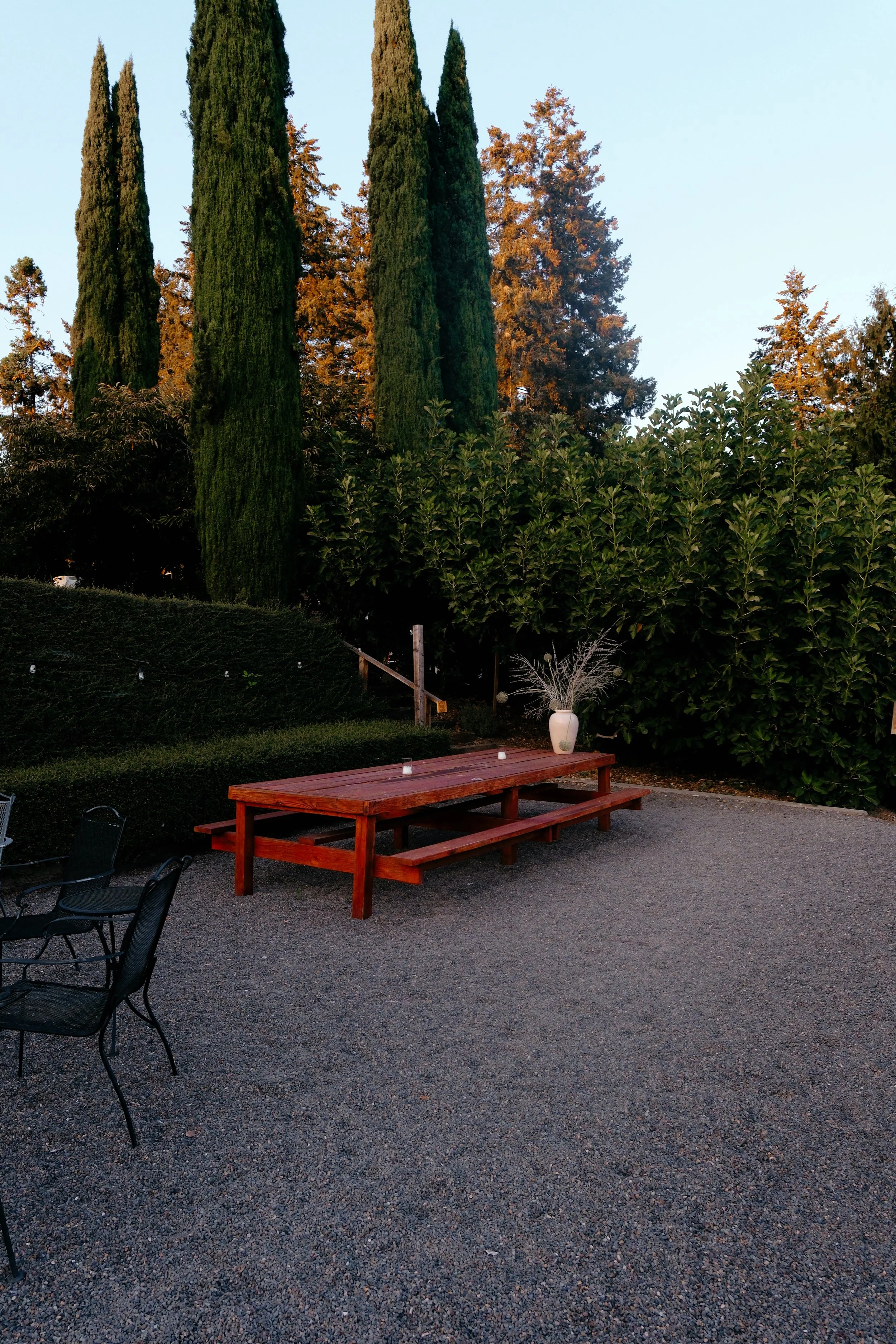
I’ve also been looking at woodworkers. My older brother does a lot of woodworking for fun, and we have an artist in residence, Patrick, who’s come here a couple of times and built a lot of the furniture on the property—the big table by the fire pit, and a lot of the furniture over at the winery. I take a lot of inspiration from seeing his stuff around. It’s all very simple and functional. And as someone who’s always struggled to think of myself as a creative person, seeing something and being like, “Oh, it’s beautiful, and it’s still simple and functional,” is really awesome. I take a lot of inspiration from him for that kind of work.
Are there any books or resources you’d recommend?
The Timber Press Guide to Vegetable Gardening in the Pacific Northwest by Lorene Edwards Forkner. I found it in a local bookshop, Annie Bloom’s in Multnomah Village, but I think they sell it all over Portland. It’s a really good month-by-month gardening resource that goes into everything from tending tomato plants to picking cover crops to seed saving. It’s been an awesome resource, because there’s so much information and every plant requires different care. Having a book that was very specific to this region was really awesome.
I also like utilizing university extension services. The OSU Extension Service in Corvallis has some really cool information on cover crops and tending different plants. But my biggest resources have been talking to my elders. I think we forget that a lot of our parents gardened, or our aunts and uncles did. Both of my parents grew up on farms—I didn’t grow up on a farm myself—and I never even would have thought to talk to them about it, but I’ve talked to my mom. Mia’s grandmother has the most beautiful garden at her property 15 minutes up the road, so I’ll pick her brain. There are so many people, especially in Portland, who love gardening.
Talking to people who live in the same town as you—who have the same seasons and can grow the same things—almost gives me more information than any book can. People who garden are so passionate about it. They love talking about it, they want to do seed swaps and share their knowledge, and taking advantage of that has been such an exciting part of the job. We get so many guests who stay here who love gardening, so talking to people from all over the country about what they’re growing in their gardens provides a lot of inspiration, too. People have really cool ideas, and everyone does everything differently. And with so much of my job being, “I’m not going to do that again next year—gotta find a different way,” having all those different inputs, and piecing something together from them, is super fun. Taking different pieces of different people’s ideas and weaving them together is another way to be creative.
Learn more about Sosta House here.
Photography + interview by: Brooke Durano